News
Ecophero

News

Latest Ecophero news, product launches and insights on insect pheromones and integrated pest management (IPM).

Fall armyworm: monitoring as the first line
News

Fall armyworm: monitoring as the first line

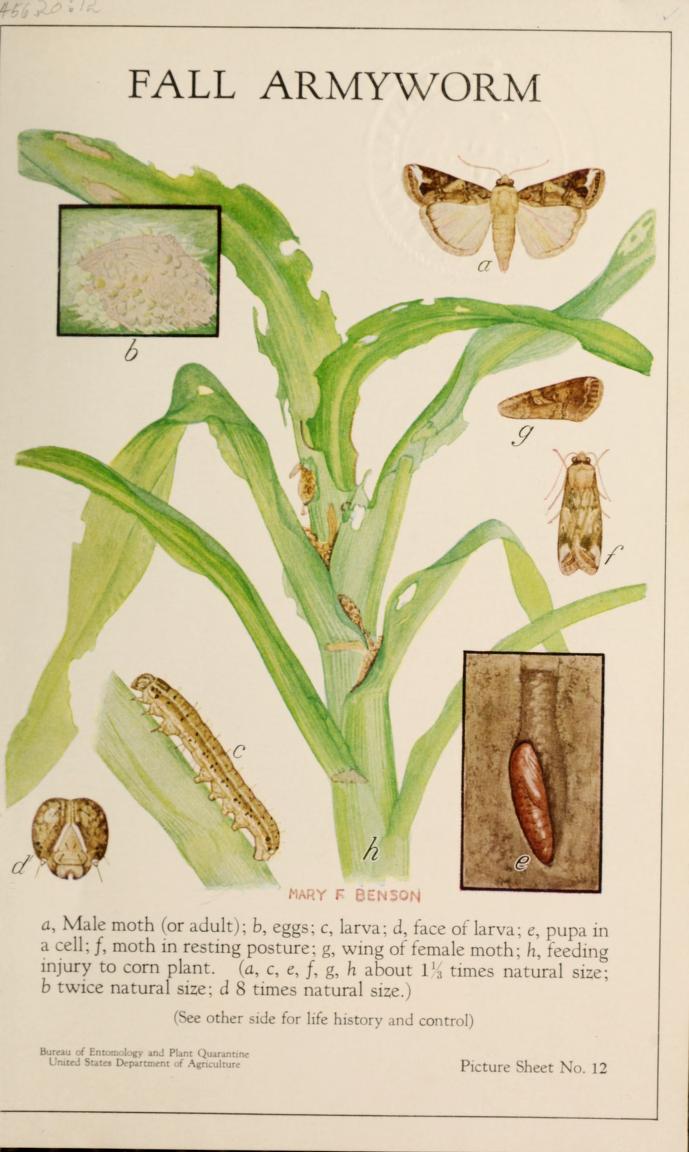
Fall armyworm (*Spodoptera frugiperda*) is listed in the [EPPO Global Database](https://gd.eppo.int/taxon/LAPHFR) under EPPO Code LAPHFR. EPPO's distribution record shows global presence across Africa, the Americas, Asia, Europe, and Oceania, with the distribution page last updated on 2026-04-16. For growers, crop advisors, and plant-health teams working across different production regions, timely surveillance is essential. Knowing when and where adult moths are active supports earlier field decisions before larval pressure builds. Pheromone-based monitoring is a practical first step.

more
Emerald ash borer detected in Hungary: why monitoring now matters
News

Emerald ash borer detected in Hungary: why monitoring now matters

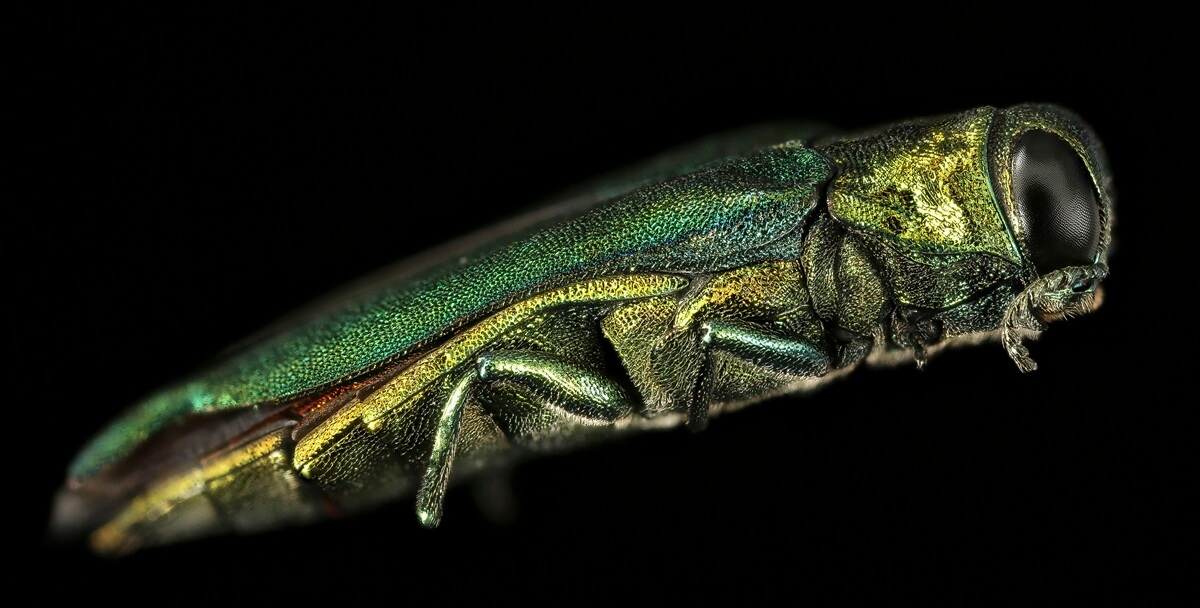
In June 2026, the NPPO of Hungary reported the first detection of emerald ash borer (*Agrilus planipennis*) in Hungary — and the first confirmed record of this pest anywhere in the European Union. According to [EPPO Reporting Service 2026/137](https://gd.eppo.int/reporting/article-8433), one specimen was caught in a pheromone trap operated by the Sopron University – Forest Research Institute (ERTI) in Beregsurány, in the Észak-Alföld region of eastern Hungary, on 2026-06-09. The identification was confirmed through a molecular, PCR-based test by the National Reference Laboratory. Following the detection, Hungarian authorities established a demarcated area with intensified surveillance around the finding site.

more
Spongy moth quarantine expands in Wisconsin
News

Spongy moth quarantine expands in Wisconsin

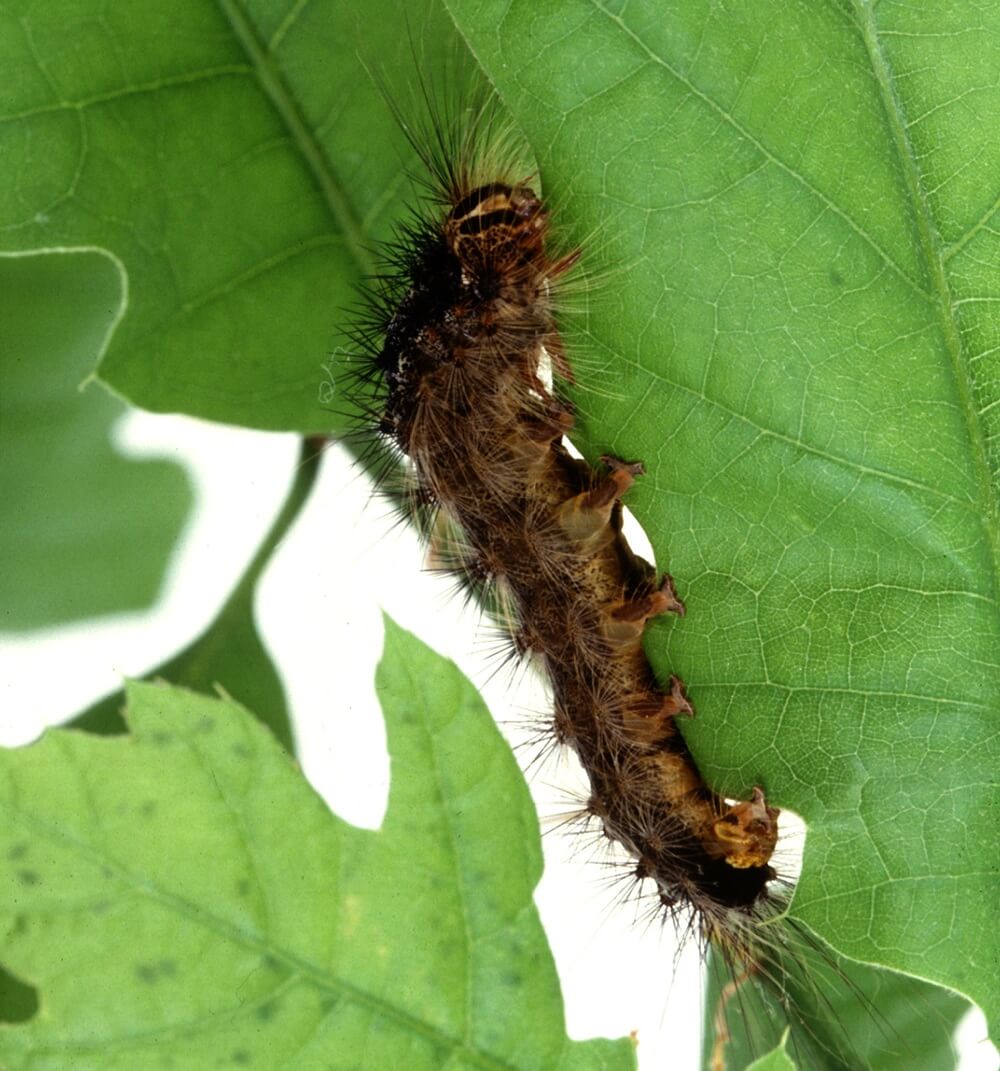
On May 1, 2026, USDA APHIS and the state of Wisconsin expanded the quarantined area for spongy moth, *Lymantria dispar*, by adding Green and Sawyer Counties in Wisconsin. The official notice was published as [NAPPO Official Pest Report 1197](https://www.pestalerts.org/nappo/official-pest-reports/1197/). The reason for the expansion was direct: moth populations in Green and Sawyer Counties reached the threshold to trigger quarantine expansion. The action was effective immediately.

more
Japanese pine sawyer flight season puts vector monitoring back in focus
News

Japanese pine sawyer flight season puts vector monitoring back in focus

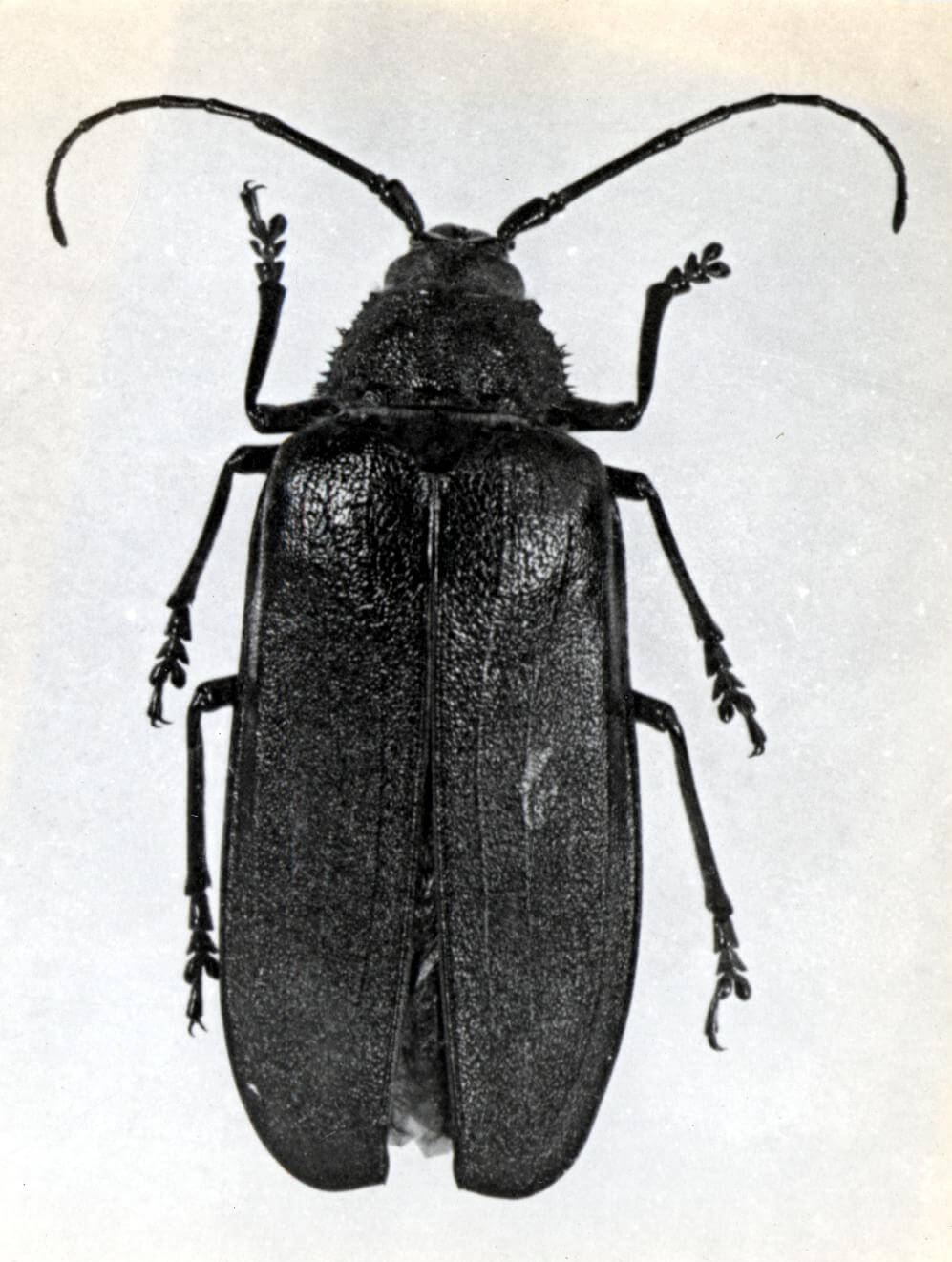
During the May-July pine sawyer flight season, Japanese pine sawyer beetles (*Monochamus alternatus*) return to the center of pine wilt disease monitoring. The [EPPO Global Database entry for *Monochamus alternatus*](https://gd.eppo.int/taxon/MONCAL) identifies the pest as MONCAL / Japanese pine sawyer and includes sections for distribution, host plants, and vector status. The reason this seasonal window matters is direct: Japanese pine sawyer beetles and other *Monochamus* spp. are primary vectors of pine wood nematode (*Bursaphelenchus xylophilus*), the causal agent associated with pine wilt disease. For monitoring programs, the priority is early detection during peak flight, before vector activity is missed.

more
July Thrips and Aphid Pressure in Protected Cropping
News

July Thrips and Aphid Pressure in Protected Cropping

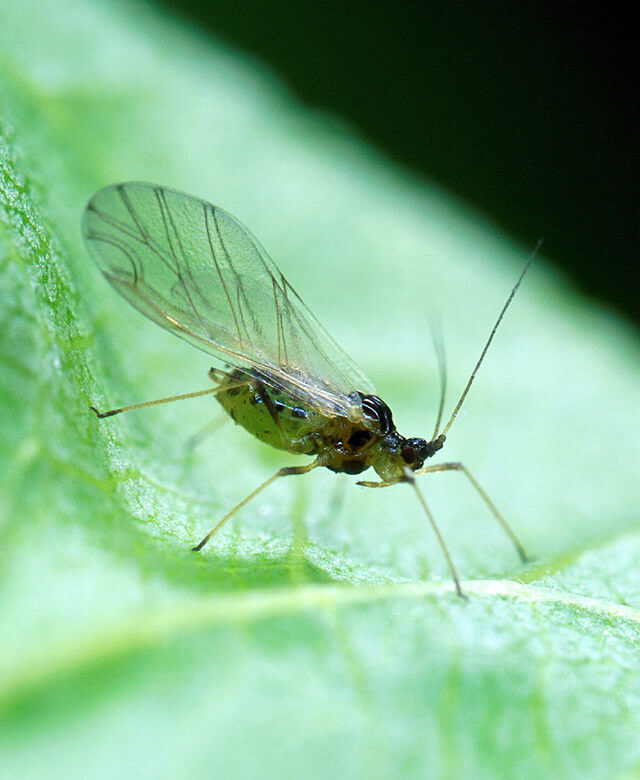
July can be a high-pressure month for greenhouse and protected-crop pest management. Western flower thrips (*Frankliniella occidentalis*) can damage crops directly through feeding and oviposition, and it is also associated with serious plant-virus risk. Aphid complexes, including green peach aphid (*Myzus persicae*), add a second monitoring challenge because aphids can build quickly in warm protected systems and contribute to virus-vector pressure. This seasonal brief is not a single outbreak alert. It is a calendar-driven IPM prompt: when greenhouse conditions favor rapid pest population growth, monitoring and behavior-based tools should be active before pressure becomes difficult to manage.

more
Stink Bug Build-Up: Aggregation Lures for Early Warning
News

Stink Bug Build-Up: Aggregation Lures for Early Warning

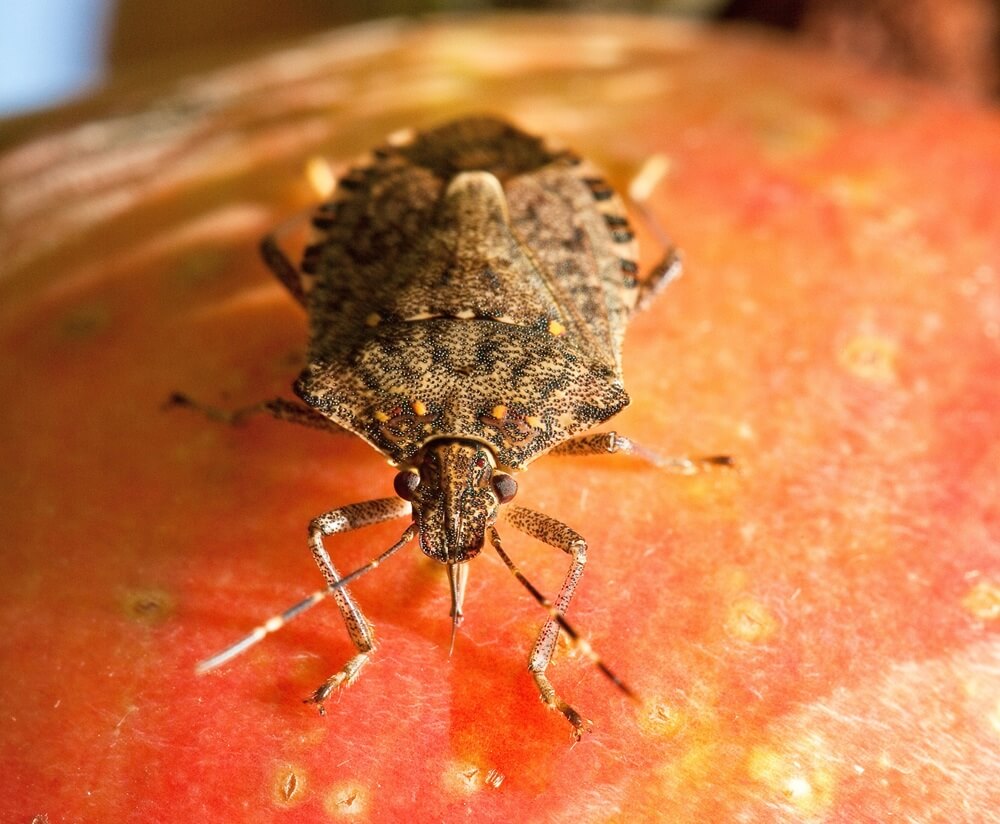
July is a practical monitoring window for stink-bug programs in the Northern Hemisphere. Brown marmorated stink bug (*Halyomorpha halys*) is an invasive plant-health pest associated with fruit, vegetable, field, and ornamental hosts, and seasonal movement into crops can make early field signals more valuable than reactive scouting after damage appears. This seasonal brief focuses on brown marmorated stink bug and southern green stink bug (*Nezara viridula*) programs where aggregation pheromone traps are used for detection, population tracking, and mass-trapping support. The goal is not an eradication claim. The goal is to help growers and IPM teams know when pressure is building, where activity is concentrated, and whether local control decisions should intensify.

more
Advancing Crop Protection: Pheromone Solutions for Stink Bugs and Leafminers
News

Advancing Crop Protection: Pheromone Solutions for Stink Bugs and Leafminers

In the ongoing battle against destructive crop pests like the Brown Marmorated Stink Bug, Harlequin Bug, and Tomato Leafminer, pheromone-based control strategies are emerging as a precise and environmentally sound solution. This article explores how specific pheromones are being deployed to create an effective green shield for vegetable and row crops.

more

Get in touch

Share your contact information to receive precision-matched pheromone solutions. Should our existing portfolio lack an optimal fit, our synthetic chemistry team will initiate custom development—from molecular structure design to scaled production.